The reading assignments are working pretty well for me overall, but I did get really busy last week and had to skip a reading. My favorite reading was the Ramayana, it felt a lot easier to follow than the Mahabharata and everything seemed very memorable. My reading notes help a lot, to the point where I have them open while I'm writing my stories as reference. I discovered that looking up stuff on wikipedia when coming across unknown things in the readings gave me some useful background information. I'm pretty happy with my class project so far and I still think my greatest accomplishment was writing that rhyming poem.
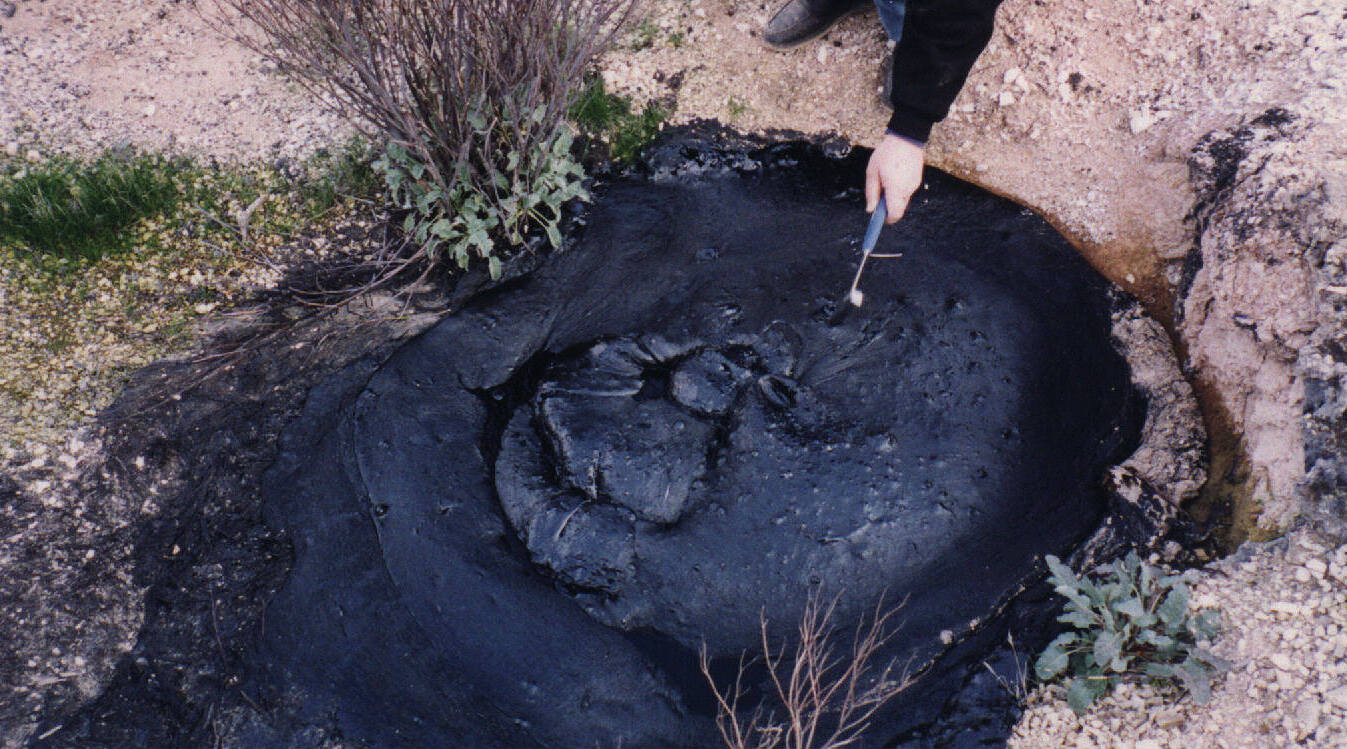
I chose this image to go with, not because I liked the image, but because it's associated with one of my more creative stories that I had a lot of fun writing.
Thinking forward, I think I'll keep up what I've been doing so far, but maybe I should do my assignments earlier so I don't have to block out multiple hours for them on Sunday.
Tuesday, March 6, 2018
Sunday, March 4, 2018
Week 7 Review
Stage of procrastination (chibird)
I thought this video served as a a really interesting background to how English spelling and pronunciations were developed. It's interesting to know that our pronunciation and spelling of 'colonel' came from two different languages.
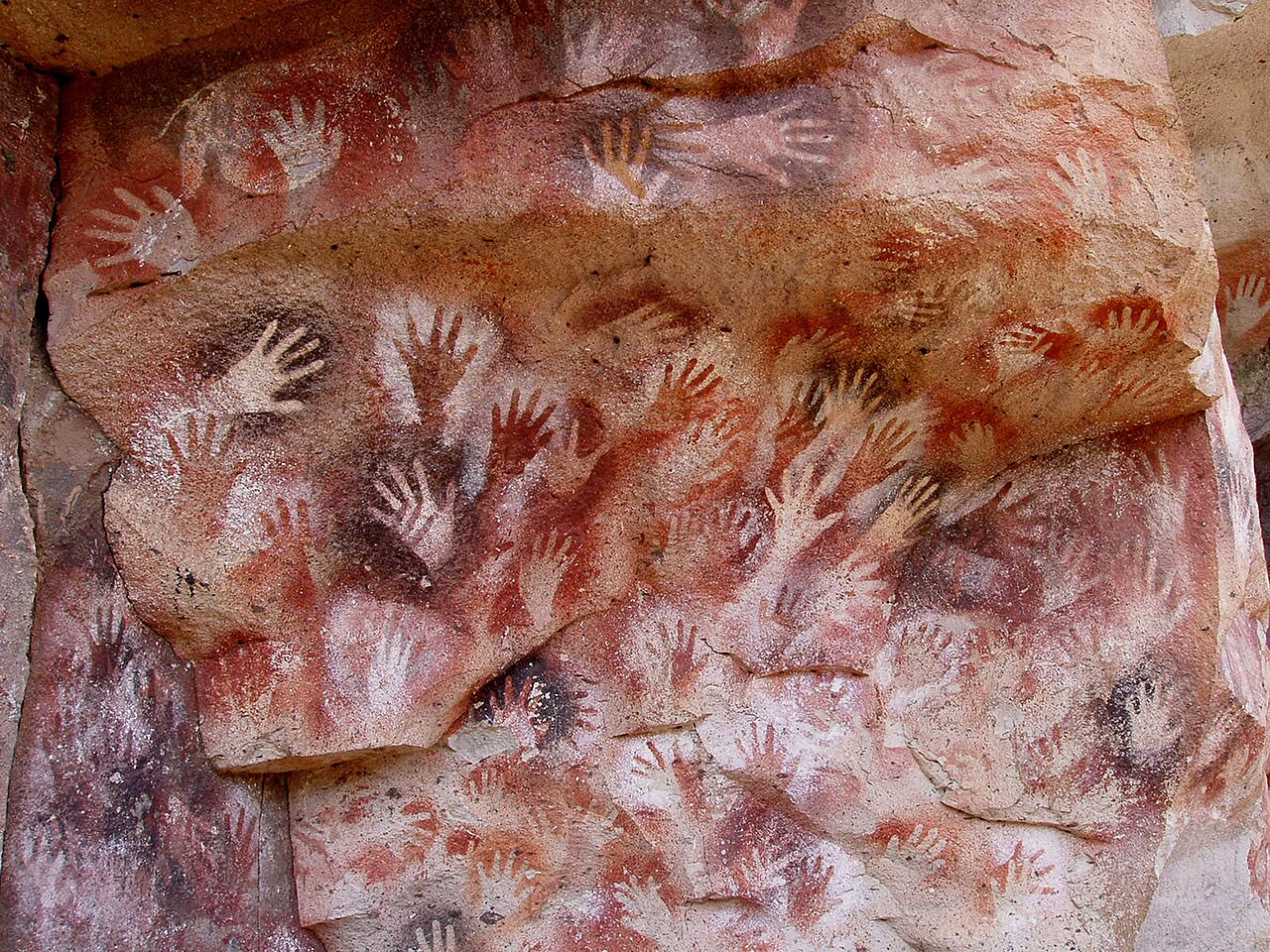
Wikipedia Trails: Cave Paintings to Acidosis
I saw a post about cave paintings on the Twitter stream, and it seems like an interesting topic.
Cave Painting: Prehistoric paintings on walls that date back to around 38,000 BC. Shows a variety of subjects, such as various animals and hand stencils.
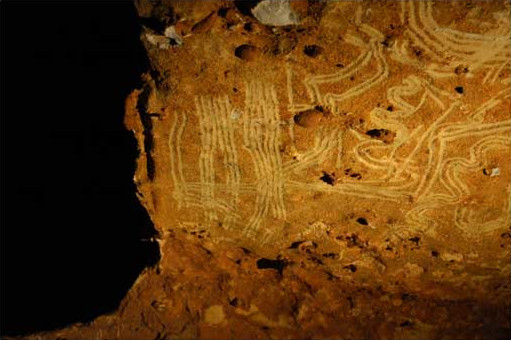
Finger Fluting: A type of cave art created by coating a finger with moonmilk and tracing it along the walls.
Moonmilk: Limestone precipitate that's white and creamy, researchers aren't certain how exactly it's formed
Acidosis: A condition that causes increases in acid in the blood, moonmilk was a supposed cure for this, having no adverse health effects.
Cave Painting: Prehistoric paintings on walls that date back to around 38,000 BC. Shows a variety of subjects, such as various animals and hand stencils.
Finger Fluting: A type of cave art created by coating a finger with moonmilk and tracing it along the walls.
Moonmilk: Limestone precipitate that's white and creamy, researchers aren't certain how exactly it's formed
Acidosis: A condition that causes increases in acid in the blood, moonmilk was a supposed cure for this, having no adverse health effects.
Learning Challenge: Time Management Article
Stopwatch (Wikipedia)
I read 'Being Busy Is Killing Our Ability To Think Creatively' by Derek Beres
What I knew going into this was that distracting yourself was a bad thing for productivity. I didn't know that distracting yourself and being busy all the time could deeply affect your creativity, but it makes sense in hindsight. The article gives some suggestions on how to disconnect from all these things making us busy, such as taking a long walk or doing stuff that isn't that intellectually demanding. I think I'll take a few sporadic breaks everyday from now on and turn to my canvas so I can keep my creativity up.
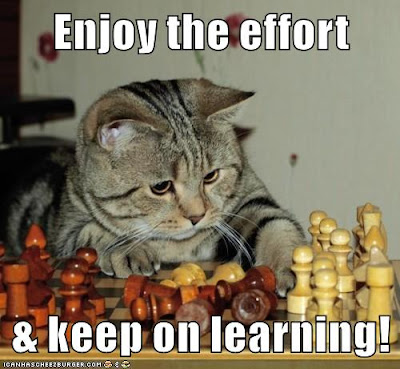
Week 7 Growth Mindset: Random Growth Mindset Cats
Growth Mindset Cat Meme (Growth Mindset Blog)
I chose this one because I think chess is a really good representation of putting in effort and learning. The more you play, the better you get. You refine your strategies and learn to predict a couple moves ahead, becoming a better player. The cat in the picture isn't playing right though.
Growth Mindset Cat Meme (Growth Mindset Blog)
I chose this cat because it reminded me of a school fieldtrip I took where we met a pottery artist. I learned how to make a pot on a spinning wheel and after it was fired they had us paint them. I ended up making something that resembled blue and white porcelain but instead of having detailed art it was just stripes and instead of being elegantly made it was a little lopsided. It's probably because I skipped the planning and designing process and went straight at it.
Thursday, March 1, 2018
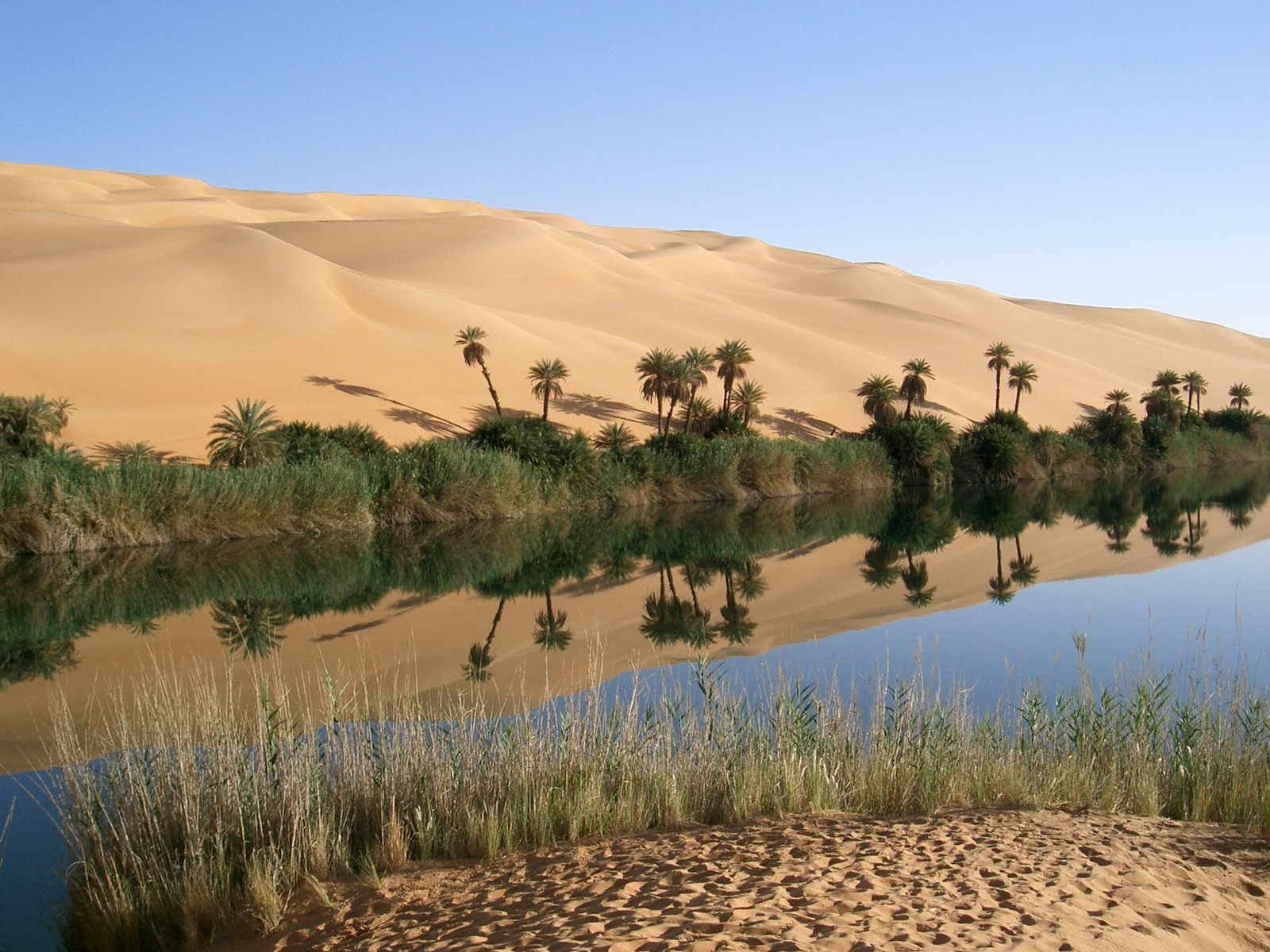
Week 7 Story Planning: Oasis
Oasis (Wikipedia)
Thinking over it, I think I can do a story about a group of men wandering the desert who get lost in a sandstorm, happening upon an oasis. I think I'd have it in the late 1800s, with one of the men armed with a lever action rifle. during the sandstorm they lose a lot of their supplies which ends up making them go two days without water. In the distance of the endless dunes that make up the landscape, they see a small patch of greenery and conclude that it must be an oasis. The men are tired and slow, so they elect the least tired man to go over there and fetch water for the rest. The man who's elected heads towards the oasis while the others wait. He gets to the oasis, which shines a brilliant blue in the desert heat. Eager to quench his thirst, he gets ready to drink out of it when he hears a commanding voice that seems to come from inside his head. The voice tells him not to drink because answering its questions, but he discounts this as a hallucination from thirst and drinks anyways. He dies. The group grows impatient as in the original story and send another man out, figuring the first guy was just drinking water until now. He finds a corpse but is so taken by thirst that he doesn't think about it before the water in front of him, he ignores the voice too. The rifle wielding man then goes over and finds his friends dead. He hears the voice and fires his gun wildly into the air out of anger for his fallen comrades. He angrily drinks the water and dies. The last one heads over after hearing gunshots and he's asked questions. The questions are similar in that they're riddles, but they're more familiar to a western audience (What gets wetter as it dries? What's black and white and red all over?) He answers thousands of questions and just before the man passes out, the voice manifests as a djinn from the oasis. He congratulates the man for his perseverance and resurrects his fallen friends. After this he gifts the men with the boon of unrecognizability, as in the original. Though in this ending, the men think to themselves what use it would be to them, and conclude it's more of a curse.
Bibliography: The Mahabharata by R. K. Narayan
Subscribe to:
Posts (Atom)