Showing posts with label WIkipedia. Show all posts

Sunday, April 1, 2018

Wikipedia Trails: Tarot to Piquet

I saw Tarot cards mentioned in the class Twitter stream and it talked about its history, which I was curious of.

Tarot Cards (Wikipedia)

Tarot: Tarot refers to the playing cards that you often see being used for fortune telling. They were originally made to be used for playing games (go figure), but gained popularity by being used in a form of divination called Tarotology.


Tarotology: A type of cartomancy that involves Tarot cards in particular, as a way of obtaining knowledge about the past, present, and future by asking questions and revealing the cards.

Fortune Teller (Wikipedia)

Cartomancy: Divination using cards. What kind of cards are used depends on the country, with Tarot cards being most popular in English speaking countries and regular playing cards (Poker cards) being more popular elsewhere. In France, piquet cards are used.

Piquet Deck (Wikipedia)

Piquet: Piquet is a card game with 32 cards. It was developed in the 1500s and is pretty complex. Despite that, it's one of the oldest card games still played today.

Saturday, March 24, 2018

Wikipedia Trails: Medusa to Votive Offerings

I went on the class Twitter and the first thing I saw was a link to an article about Medusa, which I figured was interesting enough to be the start for my Wikipedia Trails this week.

Classical Greek Depiction of Medusa (Wikipedia)

Medusa: Medusa was a Gorgon who was made into a monster by Athena, turning those who looked at her into stone. She was eventually beheaded by Perseus, who was armed with equipment given to him from the gods.

Perseus with the head of Medusa (Wikipedia)

Perseus: I wanted to know what Perseus did after slaying Medusa, and it turns out he gives Medusa's head to Athena so she can place it on her aegis.

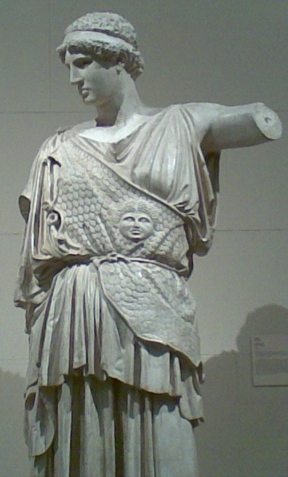
Lemnian Athena (Wikipedia)

Aegis: The aegis was a shield or an animal skin owned by Zeus but occasionally borrowed by Athena which would roar during battle and produce storms when shaken.

Ancient Greek Votive Offering (Wikipedia)

Votive offering: Medusa's head was apparently a votive offering to Athena, which is to display or donate an item to a sacred place for religious purposes.

Sunday, March 11, 2018

Wikipedia Trails: Hate-watching to Stranger in a Strange Land

So I picked up a new word from the Class Twitter: "Hate-watch", and I had no idea what that was so I started with it.

TV News Simulation (Wikipedia)

Hate-watching: Hate-watching is a neologism for watching something despite hating the content. I don't really get the point in watching stuff you hate.

Neologism (Merriam Webster)

Neologism: I got here because I saw it was one of the first words in the article and I wasn't familiar. It turns out a neologism is a word or phrase that's just beginning to enter common speak, but it isn't fully integrated yet. I wonder if hate-watching is considered fully integrated now that it's in the dictionary..

Stranger in a Strange Land (Flickr)

Grok: An example of a neologism, first used in the 1961 novel "Stranger in a Strange Land". It's been defined in the Oxford English Dictionary as "To understand intuitively or by empathy".

Also Stranger in a Strange Land (Wikipedia)

Stranger in a Strange Land: The book "Grok" was used in. It details the story of a human male who was born on Mars and raised by aliens. He returns to Earth, where theocracy rules and World War III had already occurred. The Library of Congress put it in its list of 88 books that shaped America.

Sunday, March 4, 2018

Wikipedia Trails: Cave Paintings to Acidosis

I saw a post about cave paintings on the Twitter stream, and it seems like an interesting topic.


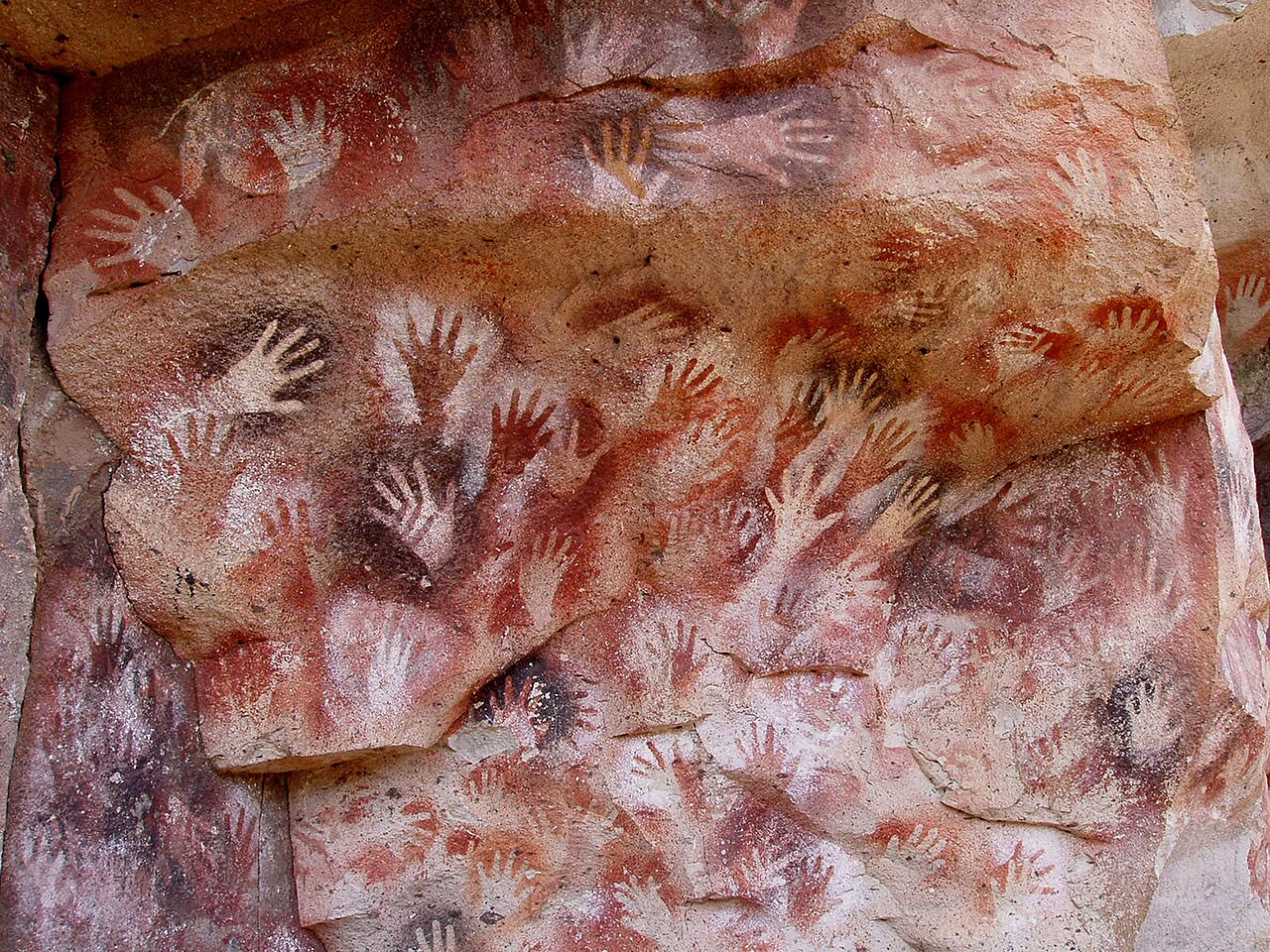
Cave Painting: Prehistoric paintings on walls that date back to around 38,000 BC. Shows a variety of subjects, such as various animals and hand stencils.


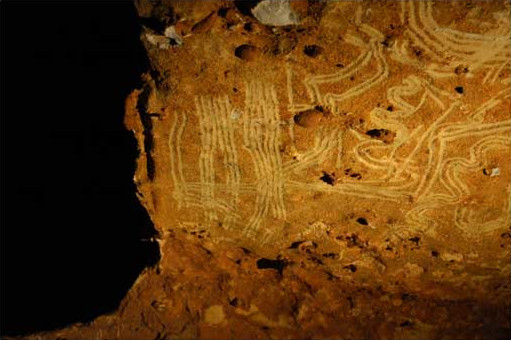
Finger Fluting: A type of cave art created by coating a finger with moonmilk and tracing it along the walls.


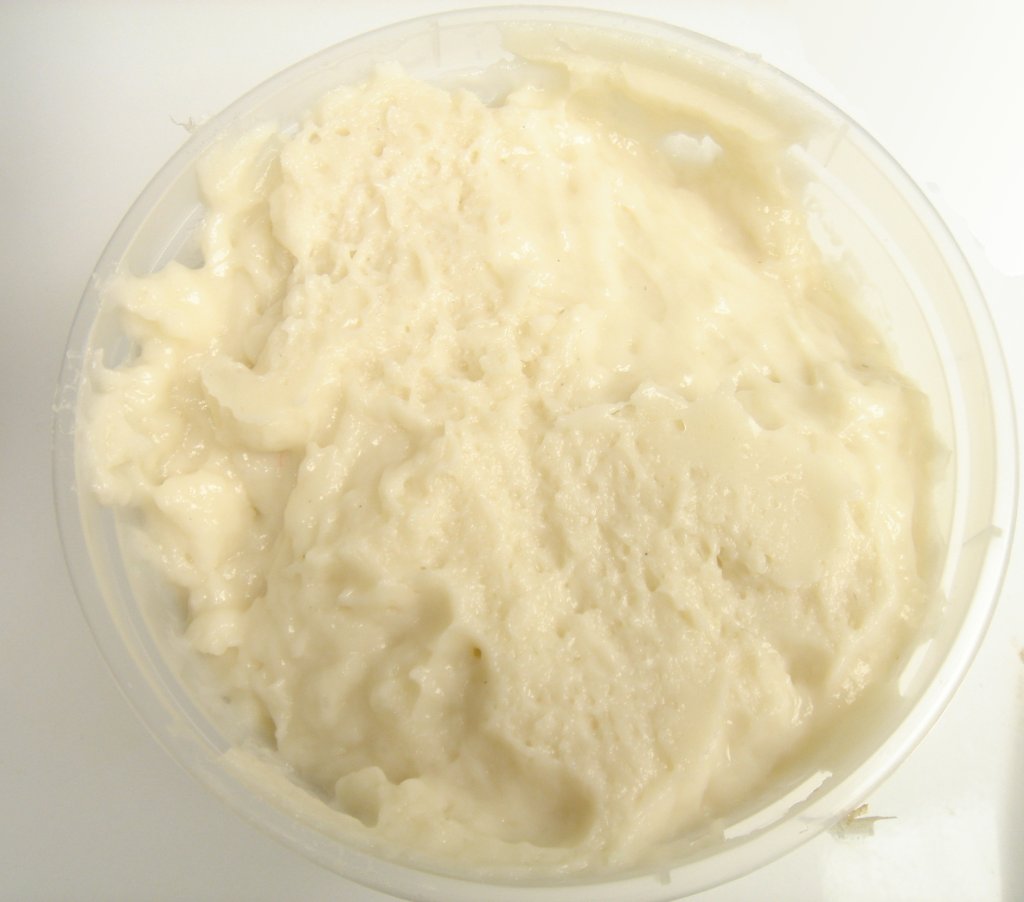
Moonmilk: Limestone precipitate that's white and creamy, researchers aren't certain how exactly it's formed


Acidosis: A condition that causes increases in acid in the blood, moonmilk was a supposed cure for this, having no adverse health effects.

Saturday, February 24, 2018

Wikipedia Trails: From @ to Surimi

I saw a post about @ on the Class Twitter Stream. I was interested in where @ came from, and if it has an actual name.

Aragonese @ Symbol (Wikipedia)
@: It turns out it doesn't have an actual name and it's just called the "At Sign".

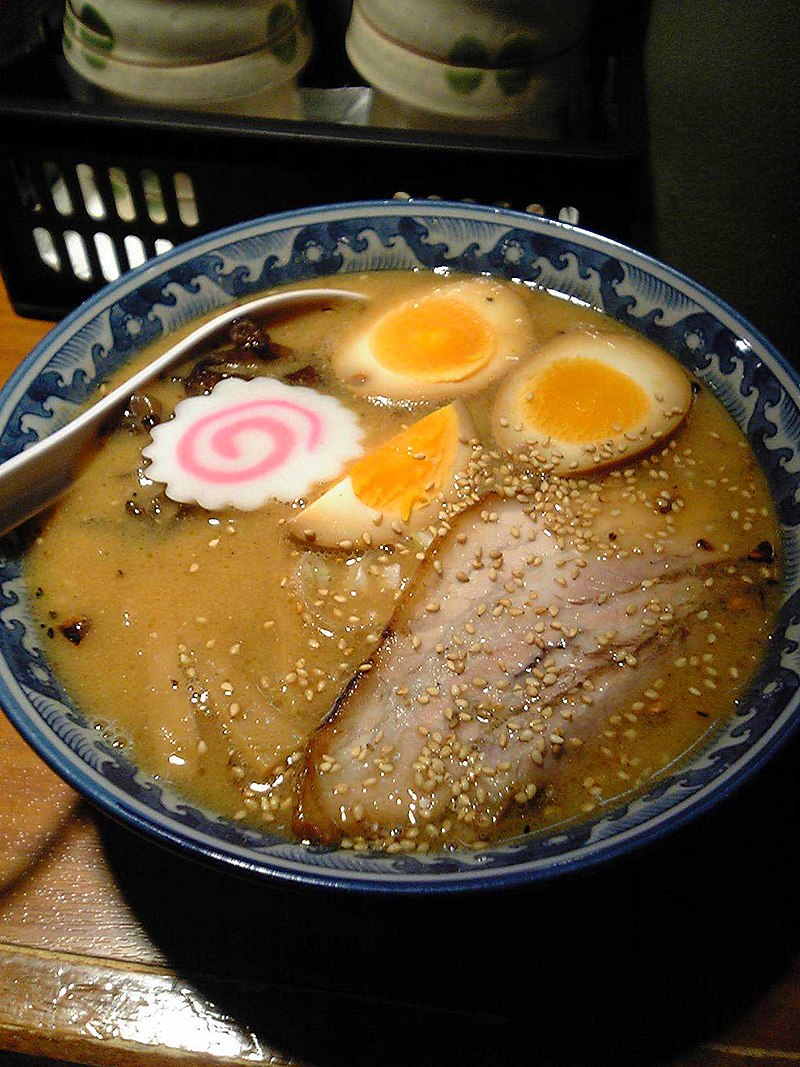
Narutomaki (Wikipedia)
Narutomaki: Nickname for the @ symbol. I knew what Narutomaki was, and I enjoy them so I wanted to know what they were made of.

Kamaboko (Wikipedia)
Kamaboko: Narutomaki is a type of Kamaboko, which is a pureed white fish formed into a loaf. Yum.

Surimi (Wikipedia)
Surimi: Kamaboko is a type of cured surimi, which is fish paste!

Sunday, February 18, 2018

Wikipedia Trails: Tutankhamun to Ra


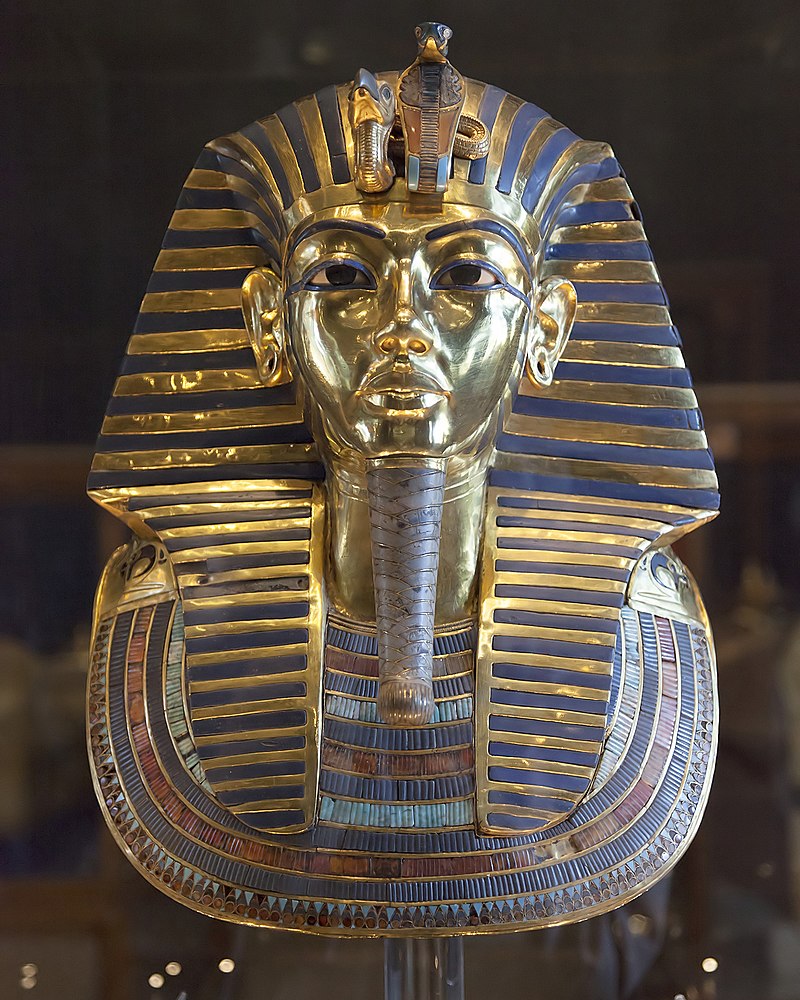
Tut's Death Mask (Wikipedia)

Tutankhamun: I started with this because I don't know much about King Tut and he showed up in the class Twitter.

Amun (Wikipedia)

Amun: Tutankhamun means "Living image of Amun", and I don't know who Amun is so I'm here!

Montu (Wikipedia)

Montu: Amun replaced Montu as the patron deity of Thebes, so I was curious who Montu was.


Ra: Ra apparently manifested as Montu, but Ra fused with Amon.. Egyptian mythology is pretty confusing

Sunday, February 11, 2018

Wikipedia Trails: From Parachute to Mortar and pestle


Apollo 15 Parachute Malfunction (Wikipedia)

Parachute: I started off with Parachute because the class twitter had a link to an article about inventors whose inventions led to their demise, so I was immediately reminded of the inventor of the parachute who jumped off the Eiffel tower, but it didn't deploy and he died.

Barber's Pole Closeup (Wikipedia)

Barber's Pole: They use this to describe a situation where the lines tangle and resemble a barber's pole, so I thought about it and was interested in knowing where they came from.

Show Globe (Wikipedia)

Show Globe: These were used by apothecaries as a method of advertising, much like the Barber's Pole, I've never heard of this before so I clicked on it.

Mortar and Pestle (Wikipedia)

Mortar and Pestle: Also used by pharmacists and apothecaries. In retrospect it makes sense because people used to crush medicine with these.

Sunday, February 4, 2018

Wikipedia Trails: Vampires to Vlad the Impaler

I started off with a Vampire after seeing a comic with one in the class Twitter.

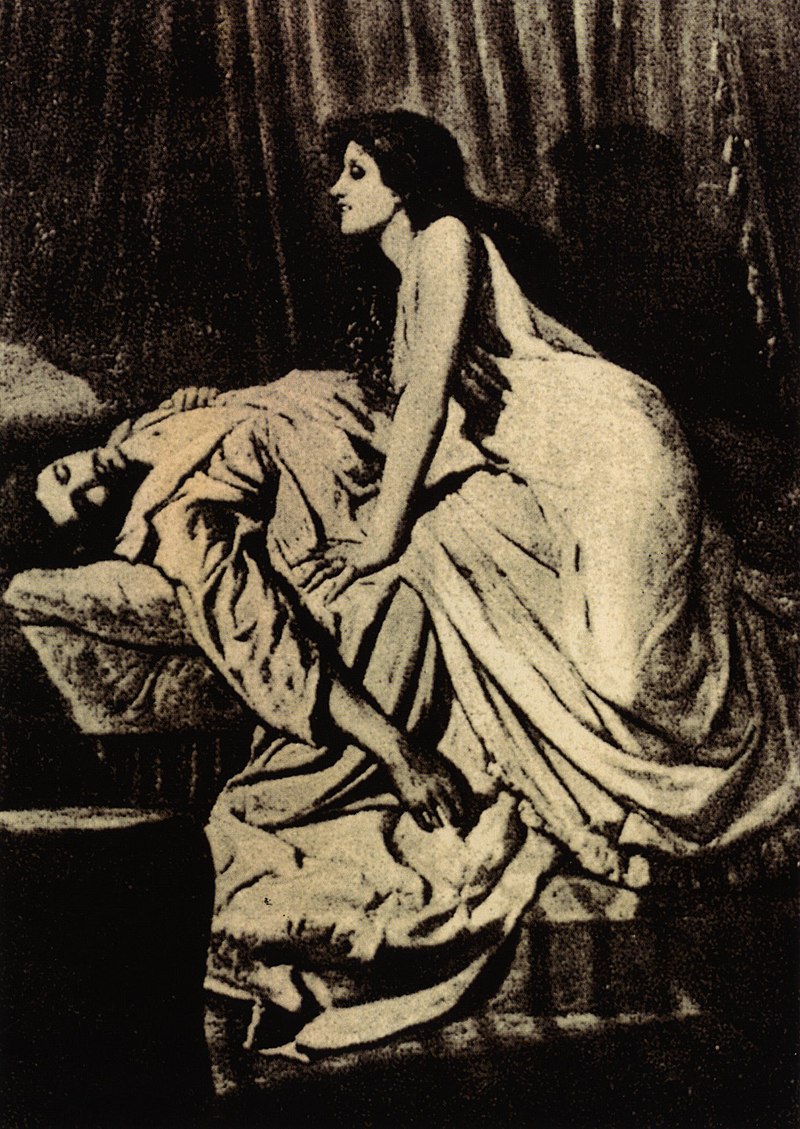
The Vampire (Wikipedia)

Vampire: I think vampires are pretty cool. There are a lot of myths and superstitions surrounding them and I'm wondering where they came from.

Dracula (Wikipedia)

Dracula: Of course, Dracula is the most famous literary work about vampires, so I clicked on this.

Bela Lugosi as Count Dracula (Wikpedia)

Count Dracula: Count Dracula is the most famous of vampires in literature. Almost to the point that the name has become synonymous with vampires.

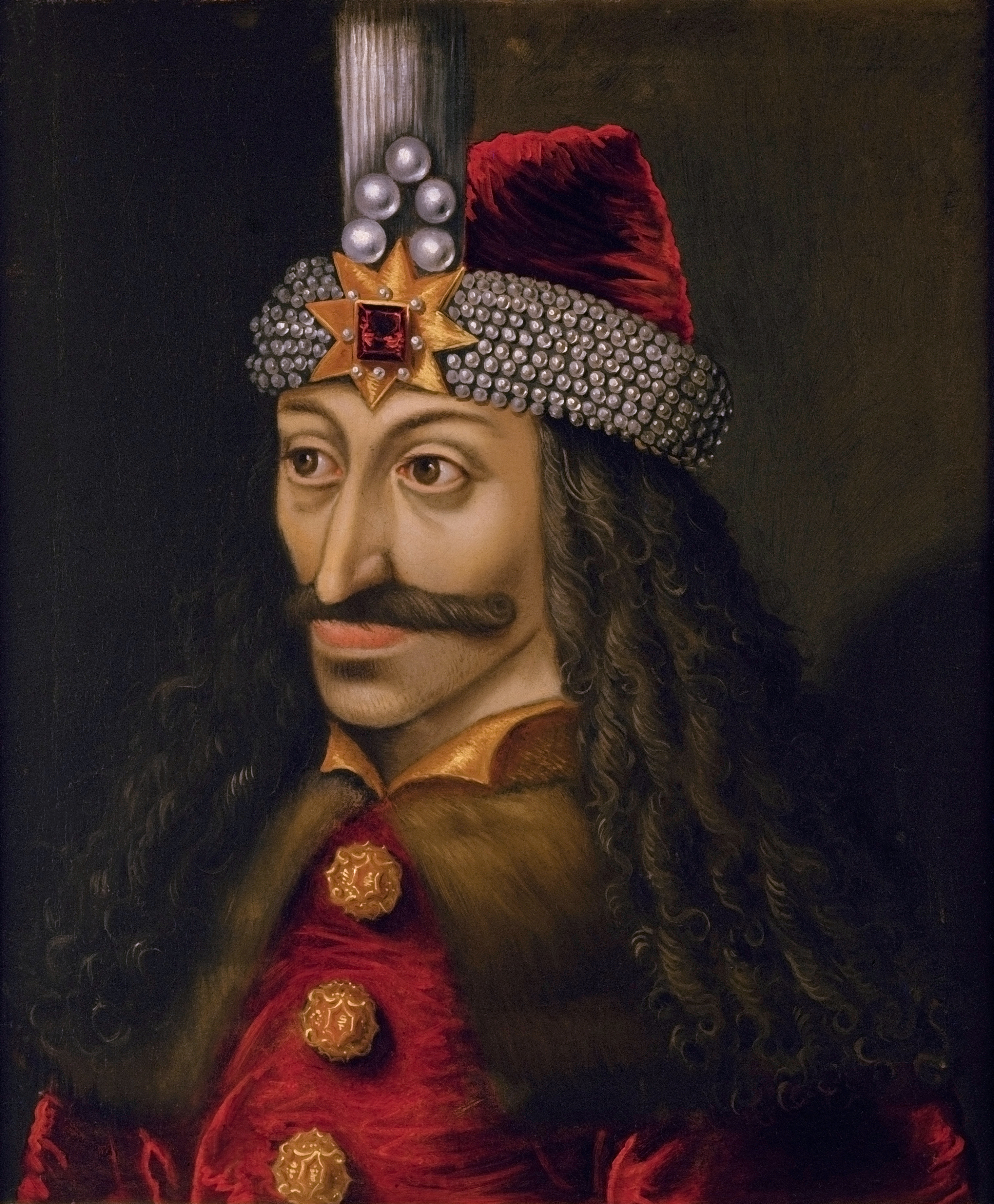
Vlad III (Wikipedia)

Vlad the Impaler: And we end with the real-life Count Dracula. Vlad Dracula. A man so cruel he inspired an entire category of horror.

Sunday, January 28, 2018

Wikipedia Trail: Hanuman to Kali

Kali (Wikpedia)

Hanuman: Hanuman appears as an important character in the Ramayana, which is why I chose him as my starting point. He's one of the Chiranjivi (immortals) and also appears in the Mahabharata. He's often depicted as the monkey god.

Chiranjivi: I was curious to know what this was after the article mentioned Hanuman being one of these. Apparently it describes seven individuals who live until the end of the current Kali Yuga. Interestingly, there's a line that says that by remembering the names of the immortals, you can live healthily for 100 years.

Kali Yuga: I saw that Chiranjivi live until the end of the current Kali Yuga and wondered what it was. It's one of four stages the Earth goes through as part of a cycle. The current Kali Yuga is said to have started in 3102 BC. In this stage, human civilization is said to distance itself from spirituality and religion.

Kali: Since Kali Yuga is named after Kali, I was interested to know who Kali is. Kali is the archenemy of the final avatar of Krishna, Kalki. He's in the Mahabharata as well. In the Kalki Purana, he's said to be the root of all evil.